Wake Gently, Live Brightly
Step into the quiet glow of first light as we explore “Mindful Dawn: Contemporary Wellness Routines Inspired by Sunrise,” a restorative approach to mornings that blends evidence, ritual, and wonder. Learn how early natural light steadies your body clock, how simple breath and movement clear mental fog, and how small, repeatable choices shape resilient days. Share your own sunrise win in the comments, invite a friend to join tomorrow’s experiment, and subscribe for gentle prompts that keep your mornings compassionate, consistent, and beautifully alive.

Gentle Light, Strong Signals
Your eyes contain light-sensitive cells that report daybreak to the brain, prioritizing overall brightness over tiny details. You never need to stare at the sun—avoid that completely. Instead, look toward the open sky and landscape, letting broad, shifting luminance reach you. Outdoors, even on gray mornings, light intensity dwarfs indoor bulbs, giving those cells what they crave. This natural input anchors alertness in the morning and supports deeper sleep later, without complicated gadgets or rigid perfection.
Timing That Anchors Your Day
Aim for light within an hour of waking when possible; earlier after late nights. Pair it with a consistent wake time, a warm drink, or a short walk so the routine chains itself to existing habits. Missed your window? Step out mid-morning and still collect benefits. Treat consistency like a dial, not a switch; turn it gently over weeks. The goal is reliability, not heroics, because tiny repetitions build more momentum than occasional marathons.
Windows, Weather, and Workarounds
Clouds do not cancel the effect; they simply require a bit more time. Glass dramatically reduces brightness and filters parts of the spectrum, so crack a window or step onto a porch if you can. In extreme cold, stand safely near an open door for a few breaths. If mobility or location limits you, sit by the brightest window, add reflective surfaces, and dim overhead lights. Meet the morning halfway, and it reliably meets you back.
A Flow You’ll Actually Finish
Design a sequence light enough to repeat and rich enough to change how you feel in twenty minutes or less. Begin with slow nasal breathing, add gentle joint circles, include a few sun salutations or standing stretches, then close with two still minutes. This blends circulation, heat, and composure without exhausting willpower. If aches or time pressure interrupt, shorten any step, never skip entirely. Completion beats intensity; build a string of small wins until your morning feels self-propelling.

Three Minutes to Ground
Stand barefoot or in supportive shoes, unlock your knees, and feel the floor. Inhale through your nose for four, exhale for six, repeat softly. Notice ribs widening, jaw unclenching, eyes softening toward the horizon. Each longer exhale nudges the parasympathetic system, interrupting overnight tension and busy scrolling urges. Keep your phone away. Three minutes can flip the day’s tone from frantic to present, setting an effortless stage for movement, work, or caregiving without perfectionism or pressure.

Seven Minutes of Mobility and Heat
Trace roomy circles with ankles, hips, shoulders, and wrists, then sweep into spinal waves, neck nods, and slow squats. Add two or three sun salutations or a simple lunge sequence facing morning light. Breathe continuously, matching motion to exhale whenever strain appears. Focus on joints that feel sticky from sleep or desk time, not on max range. These minutes lubricate tissue, warm hands, and raise mood chemistry, leaving you alert but unspent for whatever the day asks of you.
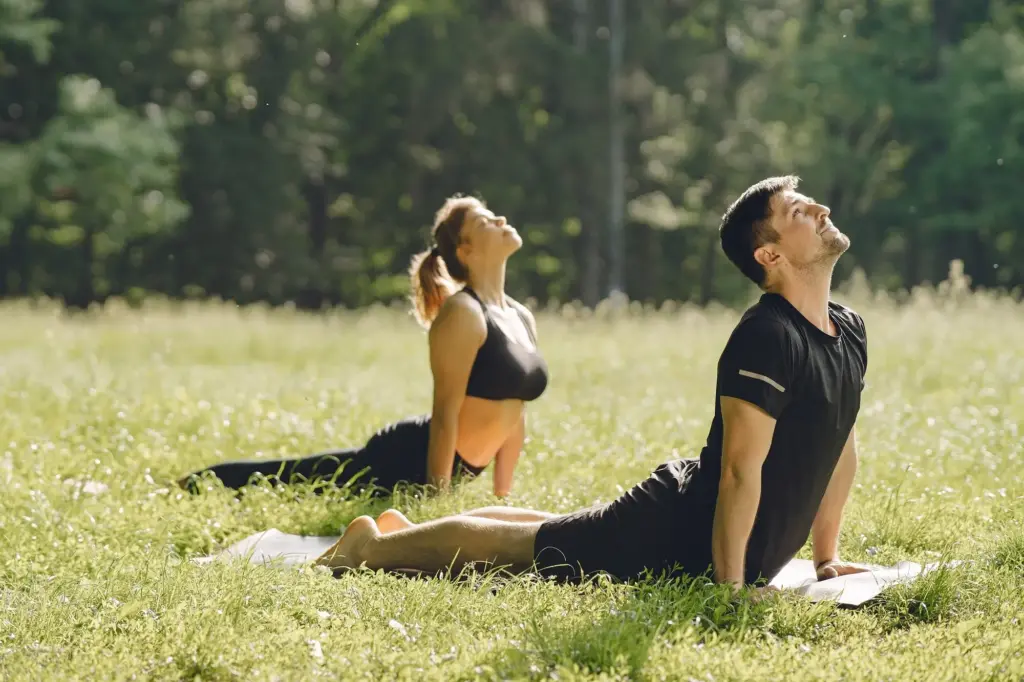
Ten Minutes in Motion Under the Sky
If possible, take a relaxed walk, stairs, or gentle bike while looking broadly at the outdoor scene. Keep conversation-capable breathing, greet a neighbor, or name five details you notice. If weather pushes you indoors, step near a window and march, shadowbox, or flow through dynamic stretches. The point is rhythmic motion paired with natural light, not athletic records. End with two still breaths and a quiet smile to reinforce the loop your brain will seek tomorrow.
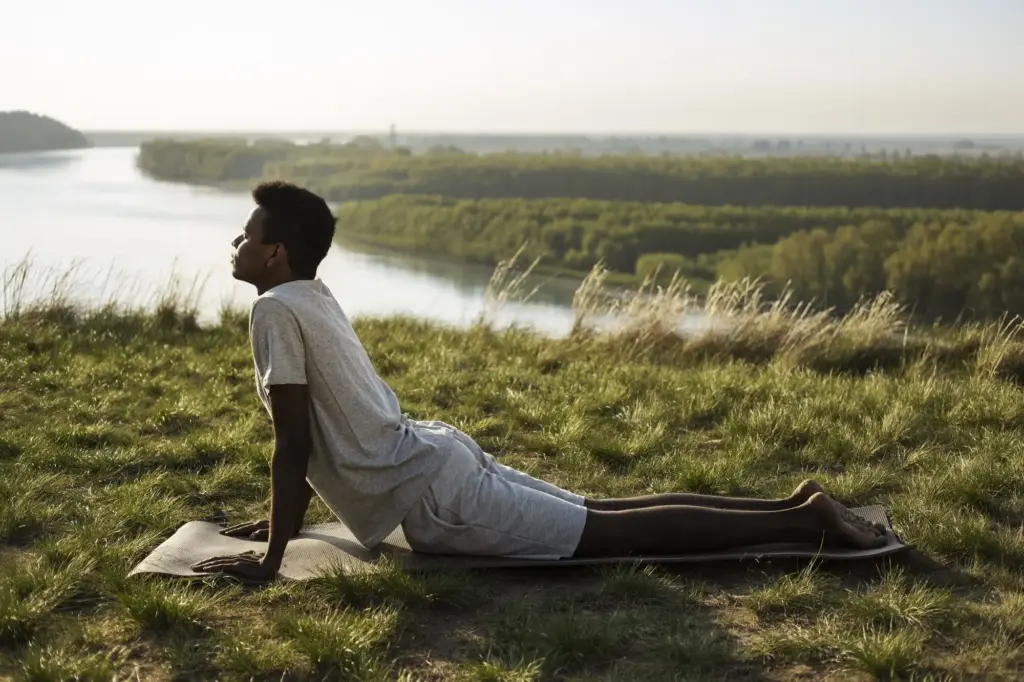
Hydrate, Then Energize Wisely
After seven sleep hours, even mild dehydration can masquerade as anxiety or fog. Start with water or warm herbal infusion, optionally a pinch of minerals or lemon if you enjoy it. Many find delaying caffeine sixty to ninety minutes preserves the natural cortisol rise and reduces afternoon dips. When you do sip, pair coffee or tea with protein or fiber to steady energy. Treat it like a mindful ritual, not a rescue mission, and your focus feels kinder, longer.
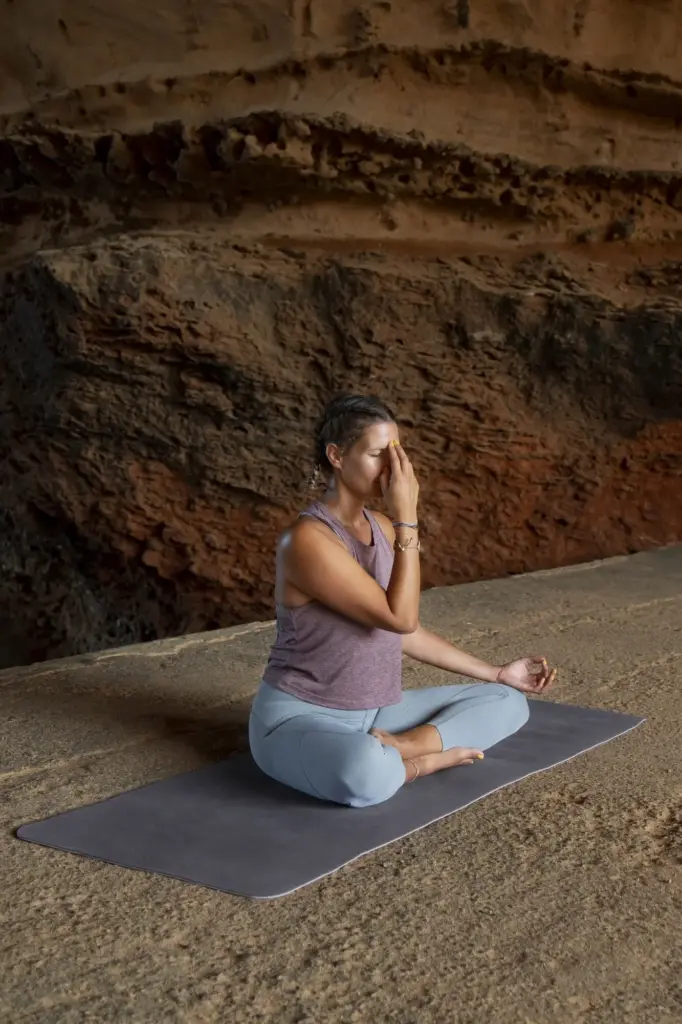
Mindset at First Light
Reflection lands differently when the sky is just waking. Use a brief page to unclutter thoughts, choose a compass point, and name one caring action. Gratitude trains your attention to notice support already present. Intention narrows focus without tightening the jaw. A single micro-commitment reduces decision fatigue later. Keep pens visible, write imperfectly, and reread at dusk to learn. The point is not eloquence; it is alignment, so your actions hum in time with the morning’s quiet rhythm.
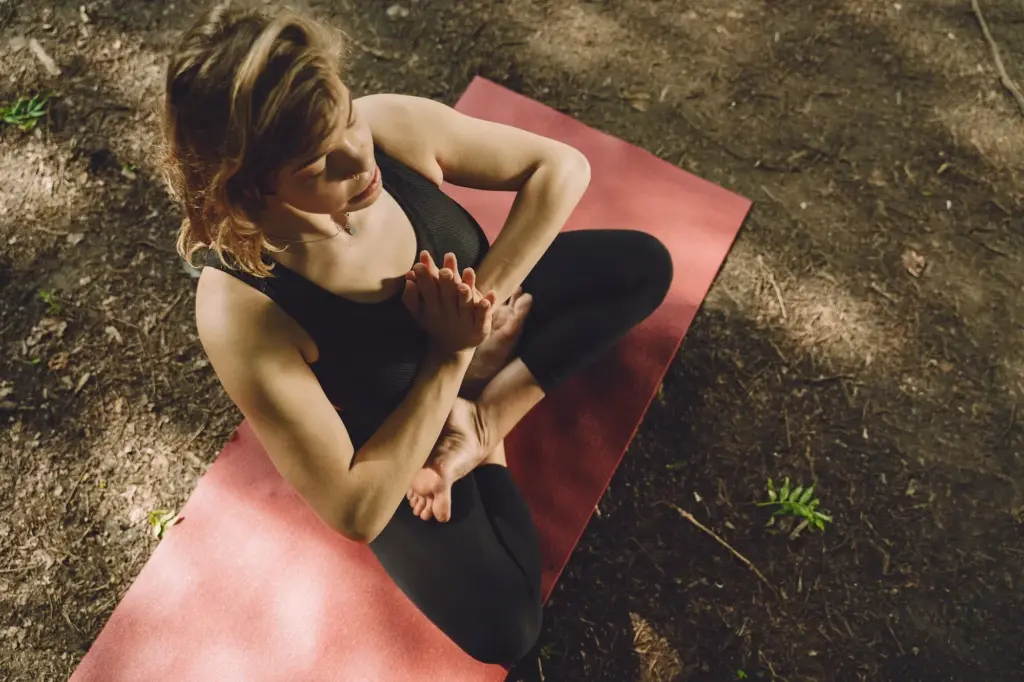
Build a Dawn-Friendly Environment
Design trumps discipline when eyelids feel heavy. Stage your space the night before: a mat by the window, a sweater on the chair, a playlist queued but low. Face east if you know it, or simply face the brightest sky. Silence distracting notifications and welcome kinder sounds—kettle burbles, birds, your own steady breath. When barriers fall away, you do not need heroic motivation; the path from bed to light and gentle action becomes short, obvious, and pleasantly inevitable.
Adapt with Seasons and Travel
Sunrise shifts across the year and across latitudes, so flexibility keeps mornings humane. In winter or extreme schedules, use brighter indoor light early, then step outside when safe. In summer, simplify to a shorter ritual if dawn arrives very early. When traveling, match local light as soon as you can and walk outside after waking. Think of your practice as a living organism that breathes with the calendar, changing shape while keeping its quietly powerful core.
If the sun rises late, combine a high-quality lamp near eye level with reflective walls and a pale curtain to bounce light. Keep sessions short and purposeful, then step outdoors for real sky as soon as feasible. Pair warmth—tea, layers, hand rubs—with breath emphasis on longer exhales to reduce shoulder bracing. Celebrate tiny consistency over heroic durations. By spring, you will have a forgiving routine with roots deep enough to sprout quickly when daylight returns.
When dawn comes early, lean into ease instead of forcing long sessions. Open the window, take five mindful breaths, stretch calves and hips, then step into a short neighborhood loop. Let birdsong and warmth carry attention. Save intense training for later. Protect sleep with darker evenings and a cooler bedroom. If sunrise wakes you too early, consider a sleep mask and a slightly later practice while still catching morning light. Remember, joy sustains habits better than grit.
On the first morning in a new time zone, get outside quickly and move your body while looking at the horizon. Delay heavy caffeine until you have walked. Keep naps short and avoid late-evening bright light to prevent drifting backward. Stack easy wins: hydration, breathing, gentle stretching. Tell us your best travel reset in the comments so others can benefit. A handful of adaptable anchors beats a suitcase of perfection you never actually unpack.
Stories to Warm Your Resolve
Real mornings rarely look like postcards. A nurse catching ten sky-lit minutes between shifts. A parent sipping water on the doorstep before the household wakes. A designer trading snooze for sunrise and finishing by seven. These stories matter because nervous systems learn through example and permission. Share yours below, however messy. Offer a tip, a photo, a single line about the light. We read every note and fold your wisdom into future experiments and gentle reminders.

All Rights Reserved.